
THE HISTORY, EVOLUTION
& STYLES OF ICE CREAM
Pre 1500’s
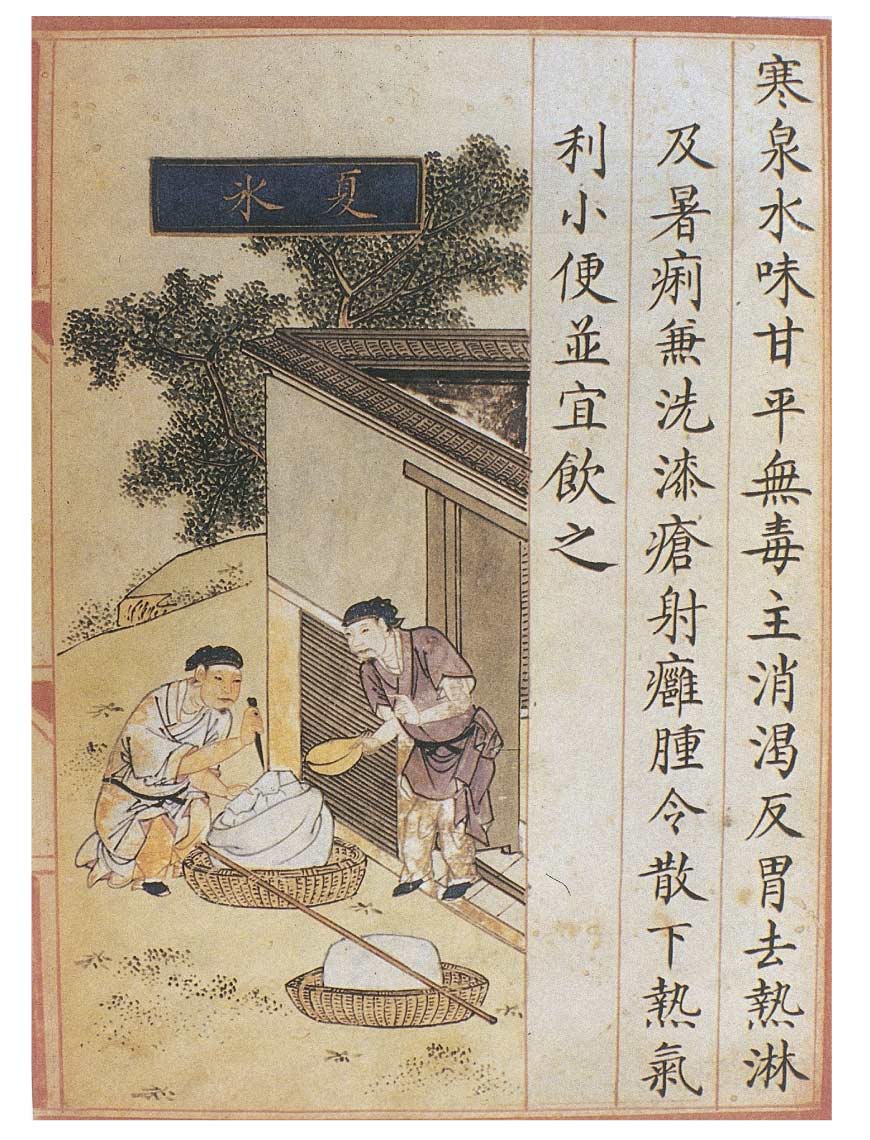
Early Frozen Dessesrts Before Gelato
The earliest frozen desserts trace back to ancient China (around 200 BCE), where snow was mixed with fruit juices and honey. This idea spread west through trade routes and evolved in the Arab world, which pioneered advanced sugar refining and ice storage. When Arab culture reached Sicily in the 9th century, Italians began making early granita using snow from Mount Etna with sweetened fruit syrups. These desserts were refreshing but coarse—an important precursor to, but not yet, modern gelato.
Early Frozen Dessert Style:
Fat: 0% (water-based, no dairy)
Air: N/A
Sweetness: Low–Medium
Texture: Icy, coarse, crystalline — similar to early granita
1500’s

Gelato Born in Renaissance Italy
In the 1500s, during the Italian Renaissance, chefs like Bernardo Buontalenti (who is also a stage and theatrical designer, architect, military engineer and artist) used ice harvested from the Apennine mountains and newly refined sugar (new technological advancement at the time), and developed a technique (using an outer tub filled with a cold-producing salt and ice mixture to achieve lower temperatures and controlled churning) to create smoother, creamier flavored ices. These advancements in freezing technique and sweetness balance gave rise to the earliest form of modern gelato, a luxurious treat reserved for nobles and aristocrats.
Gelato Style:
Fat: 4–8% (mostly milk-based)
Air (Overrun): 20–30% (dense; minimal air)
Sweetness: Medium–High (higher sugar balances low fat)
Texture: Soft, creamy, moist, with smaller ice crystals; smooth but still lighter than modern gelato
1600’s
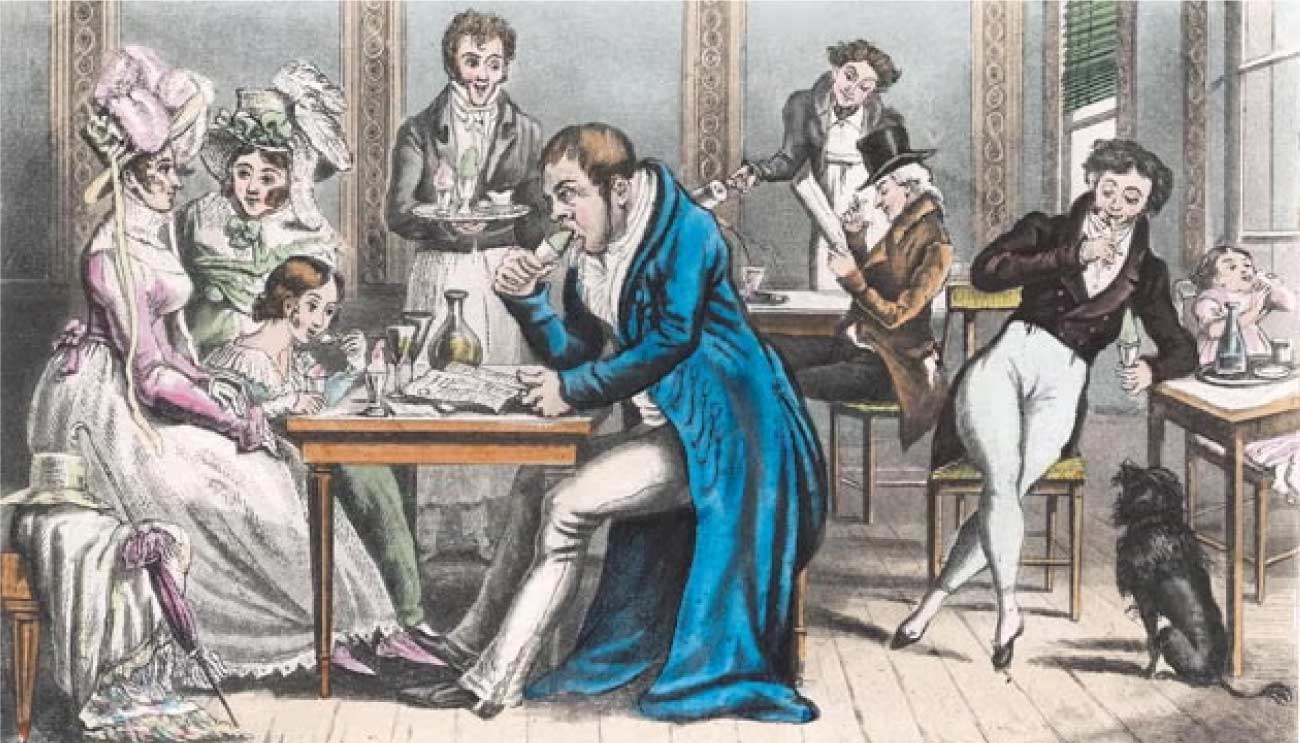
Ice Cream Refined & S in France
Catherine de’ Medici brought Italian gelato to France through her marriage to King Henry II in 1547. Drawing on their rich custard and cream-based dessert tradition, French pâtissiers introduced more dairy fat (cream) and egg yolks, transforming the texture and richness.
Crucially, the French applied their exact standards of recipe and meticulous baking tradition to the frozen product. This emphasis on precision and standardization formalized the process, converting the denser Italian gelato into the lush, highly structured and precise confection known as crème glacée, a luxury cherished by French nobility.
French Ice Cream Style:
Fat: 10–16% (cream + egg yolks)
Air: 20–40% (still relatively dense)
Sweetness: Medium
Texture: Thick, silky, custard-like richness; velvety and stable, with slower melt and luxurious mouthfeel
1800’s
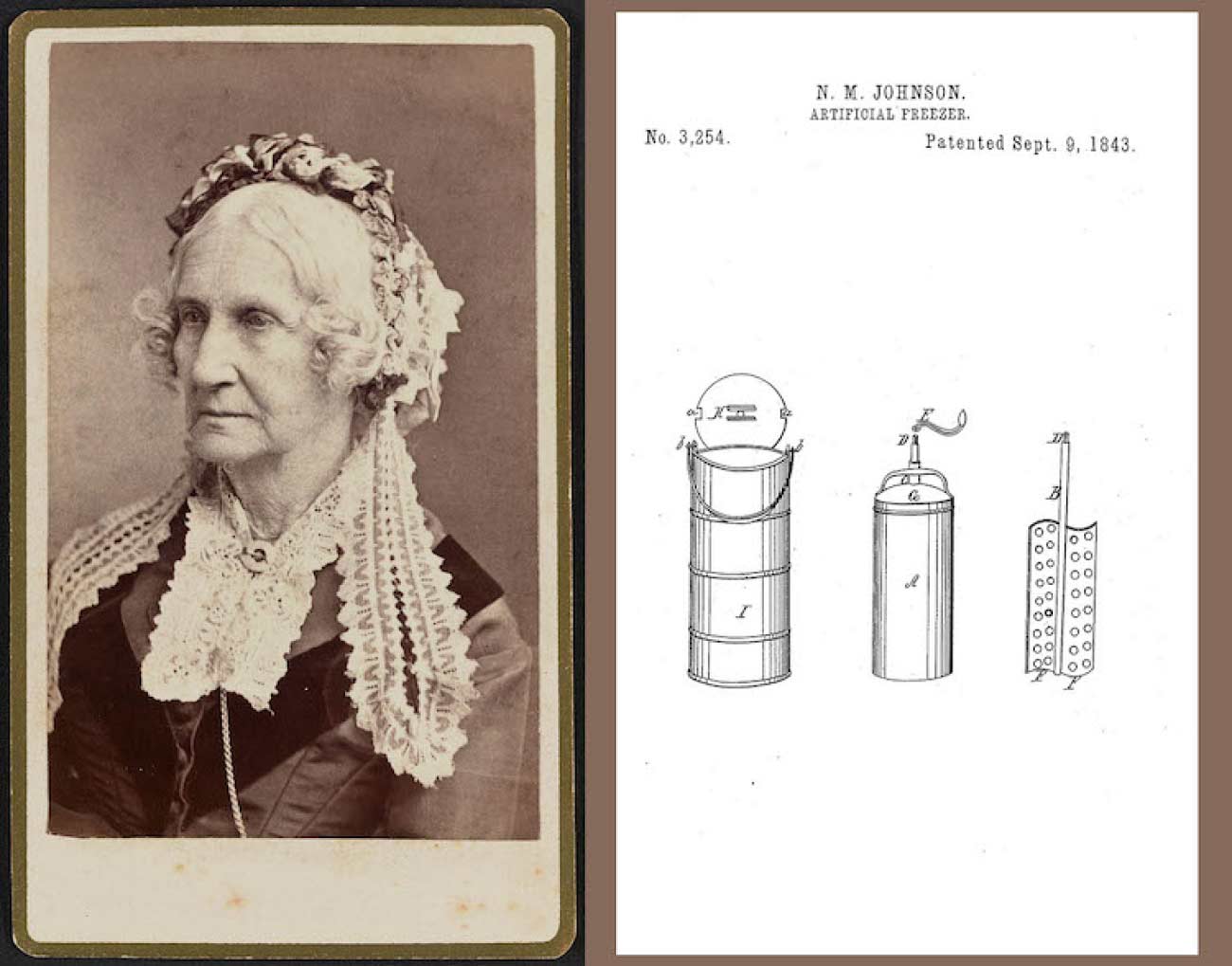
Industrial Ice Cream in America
In 1843, Nancy Johnson of Philadelphia, changed the history of ice cream when she invented the first practical hand-cranked ice cream freezer (Patent No. 3254). This invention utilized a rotating dasher inside a canister submerged in a brine-filled bucket of ice and salt, represented the foundational technology behind all modern mechanical ice cream machines. Which immediately sparked the industrialization of ice cream production. By significantly reducing the labor and time required for churning, it paved the way for larger-scale manufacturing. Entrepreneurs quickly adopted Johnson’s design, which, coupled with the later development of reliable mechanical refrigeration and improved transport networks (such as insulated railway cars), enabled the mass production and nationwide distribution of frozen treats.
This process effectively transformed ice cream from an exclusive luxury into an everyday delight accessible to all socioeconomic classes, though this increased efficiency often came at the cost of the dessert’s original quality and richness.
Industrial Ice Cream Style:
Fat: 10–14% (cream-heavy)
Air: 80–120% (light, fluffy; high overrun increases yield)
Sweetness: Medium–High (balanced for high air and fat)
Texture: Light, airy, soft, and fluffy; fine ice crystals but a distinctly “airy” body compared to dense European styles
2000’s
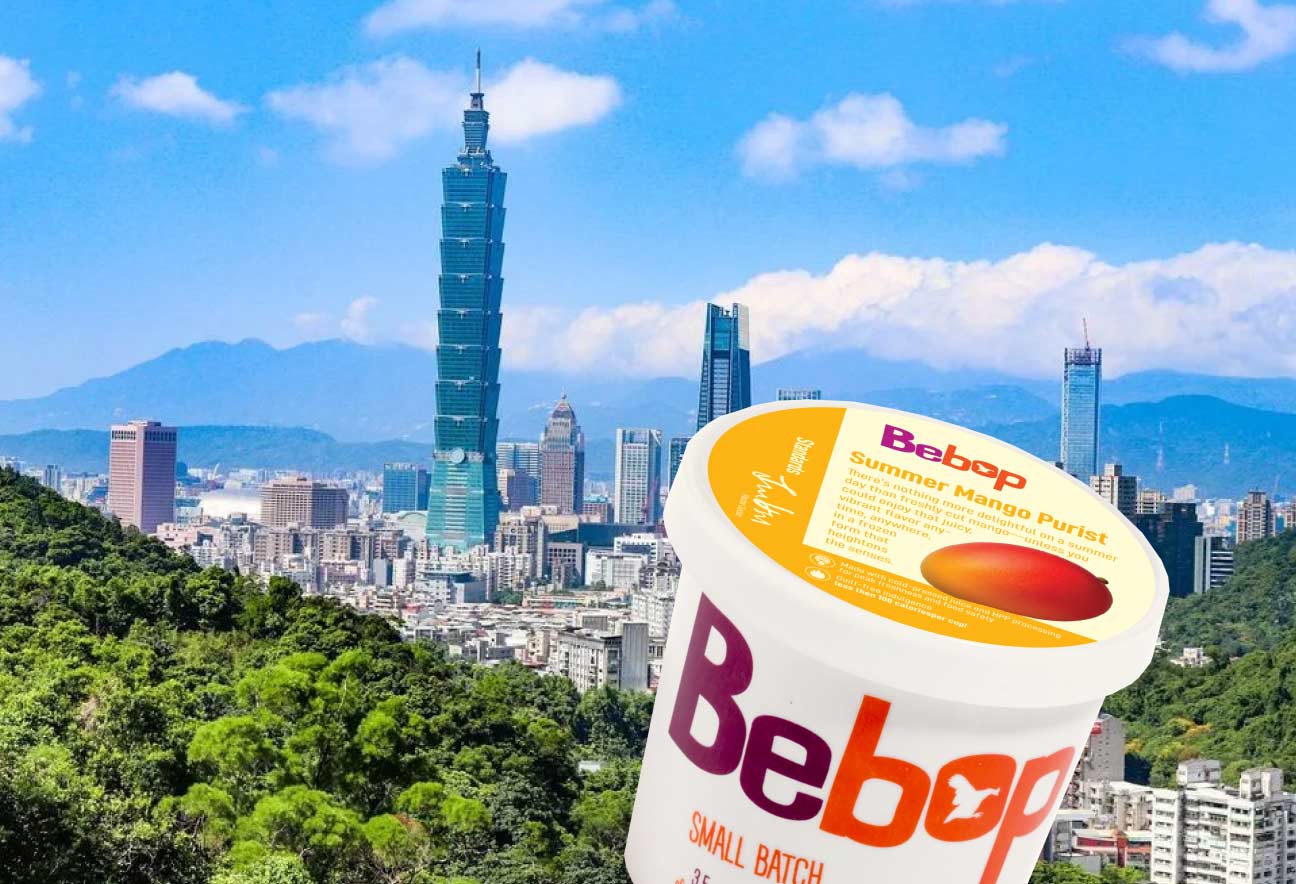
High-Tech Frozen Desserts in Taiwan
Driven by advances in food technology and growing demand for healthier, sustainable lifestyles, Taiwan’s Bebop is leading a new wave of frozen dessert innovation.
Bebop utilizes plant-based fats and modern natural plant-based ingredients, flavored exclusively from natural sources. This results in a product better for health and the environment, accommodating contemporary tastes.
This approach creates a new dessert style that captures the luxurious creaminess of classical Italian and French traditions while aligning with modern wellness and sustainability values. Manufactured in a modern facility for high food safety, Bebop successfully elevates the frozen dessert experience into the future.
High-Tech Frozen Dessert Style:
Fat: 9–12% (healthier plant-based fats)
Air: 25–30% (relatively dense)
Sweetness: Mild (to highlight natural ingredients)
Texture: Smooth, clean, refined; dense like gelato but lighter on the palate, with ultra-fine ice crystals and a refreshing finish
Ready to step into the future of ice cream?
You have to taste Bebop to know what an amazing leap forward we have made, to bring you the next generation of frozen treat! that is good for your body and soul!